Everlast Dedicated Server vs Private World: Cost, Plans and Limits
Quick Answer
A hosted dedicated server is the right call for Everlast if you want a persistent Sarkis that stays online when nobody is playing, and it starts at $11 per month with Infected Game Hosting. A private world works if your group only ever plays together in the same sessions, but the moment you want a shared world that survives the night, difficulty settings you control, and room for up to 100 players, dedicated hosting wins. The developer states 100 players per server, and IGH does not cap your slots on any plan.
Everlast plans and prices
Plan
RAM
Players
Price
Starter
4GB
a small group world
Standard
6GB
a busy group world
Ultra
8GB
a growing public world
Superior
10GB
a large public world
Extreme
12GB
big events, heavy builds
The Players column is guidance for what feels comfortable, not a limit. Every plan includes unlimited slots, NVMe SSD storage, DDoS protection, 1Gbit unmetered bandwidth, and support with knowledge base access. If your world is lean and well configured, it can exceed the guidance; if you stack heavy builds and big events, step up a tier.
Dedicated Server vs Private World: the Actual Difference
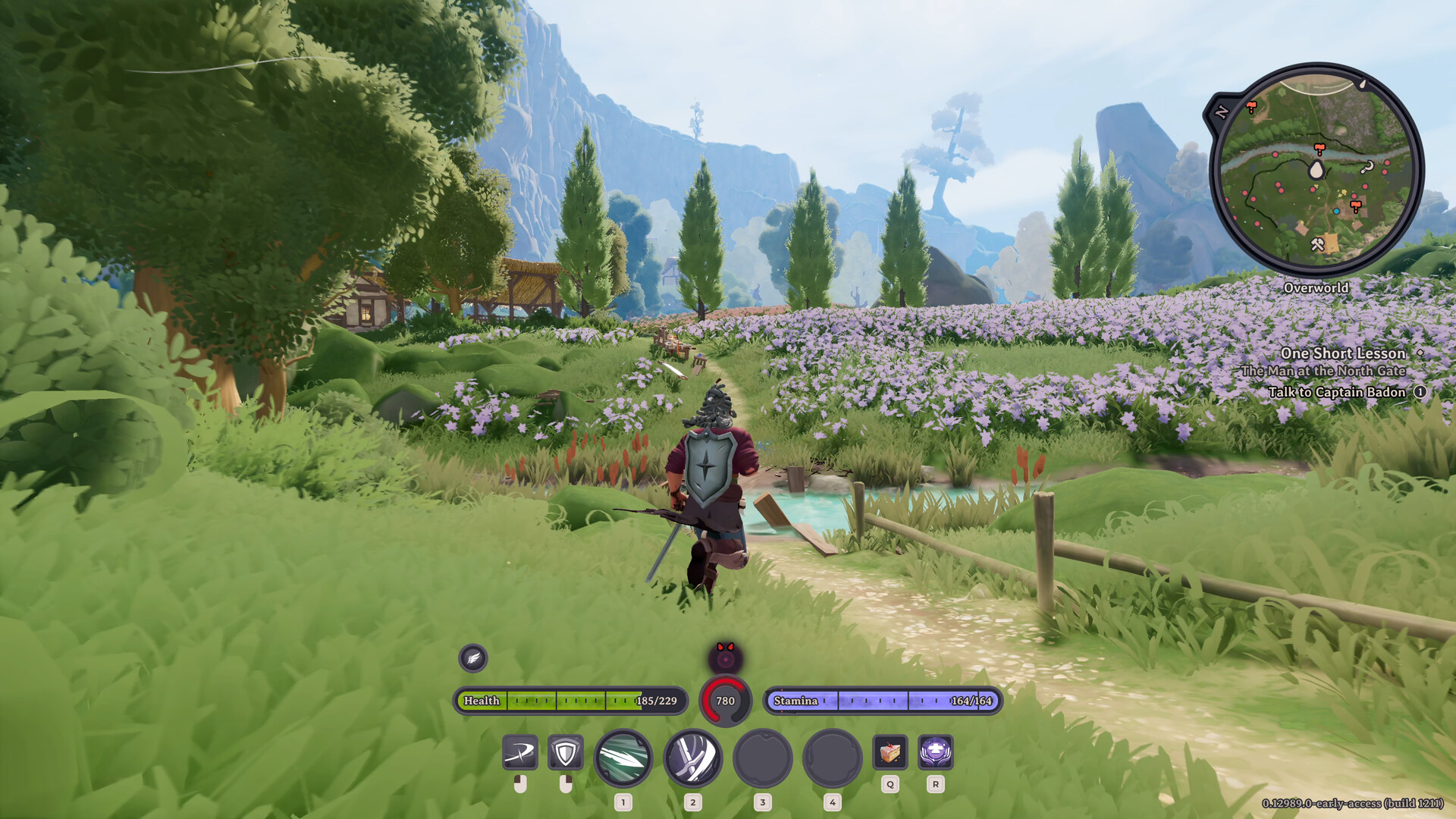
Everlast is an MMO-lite action RPG. You gather, craft, level skills, fish, cook, and run quests and world events in a hand-built world called Sarkis. It launched in Early Access on 28 October 2026 from developer InSpades, and it is built in Unity. That structure shapes the hosting question. In a private world, the world lives and dies with whoever is hosting the session. When the host logs off, your friends' progress in that shared space goes with them. A dedicated server flips that. It is a Linux process that runs around the clock, owned by whoever pays for it, configured by whoever administers it. Your friends connect to an address, not to whoever happens to be online. The trade is money and a little setup time against permanence and control. If you and two friends play twice a month for two hours, a private world honestly covers you.
If you run a community, or your group treats Sarkis like a second home, renting space on someone else's session starts feeling like borrowing a house you cannot redecorate. That is the moment a dedicated server stops being optional. One more thing pushes people toward dedicated: control. On your own server, difficulty, PvP rules, and XP rates are yours to set. You are not negotiating with a stranger's world settings. For a group that already argues about loot distribution, that alone justifies $11 a month.
What Everlast Demands From a Server
The dedicated server runs on Linux through SteamCMD, and it is a separate app from the game itself. The store page for the game is app 3818450 on Steam; the dedicated server tool you install via SteamCMD is app 4268160. If you ever self-host, that distinction matters, because typing the wrong ID into SteamCMD gets you nothing. Unity games are not exotic, but they are not free to run either. A persistent world keeps simulating the map, tracking every player's inventory, skills, fishing spot, and quest state whether or not anyone is watching. That steady background cost is why the machine running your world should be doing only that job, especially once your world starts holding busy evenings. Two facts about this game trip people up constantly. First, difficulty locks when the world is created and cannot be changed afterwards.
Pick it wrong and your options are live with it or wipe the world. Second, the server needs a restart after any game patch or players cannot connect. Neither is a hosting problem, but both are things a good host makes painless, because you will do them repeatedly during Early Access. The official Steam page for Everlast: Undying Tale is worth a skim before you commit, since Early Access games change fast and patch cadence affects how often you are restarting that world.
Server Requirements: What Your Group Actually Needs
Here is the honest version. No one, including us, has published a measured player-count test for Everlast. There is no verified table saying 4GB runs exactly this many players and 8GB runs exactly that many. Any host that prints one is guessing. So instead of fake precision, here is how I think about it. Start from what the game does. One hundred players is the stated ceiling for a public world. Most groups never go near it. A group of five friends questing, crafting, and doing the occasional world event puts a completely different load on a server than a public community advertising itself on Discord. Your world size matters too. More explored map, more placed structures, more active systems ticking along. The practical advice: match the plan to your ambition, not your headcount. A private world for a handful of friends belongs on Starter or Standard.
A world you intend to advertise publicly, with strangers wandering in and events firing, deserves Ultra at minimum, and Superior once it grows teeth. If you are planning a 100-player community from day one, that is Extreme territory, and honestly you should expect to learn as you go because nobody has a verified recipe for that population yet. Storage speed is the quiet requirement people forget. A world full of player builds generates constant read and write activity, and a slow disk shows up as stutter exactly when your group is in the middle of something. Every IGH plan runs NVMe SSDs, which is why I do not fuss about it further. It is simply the floor now.
The IGH Plans That Fit, and Which One Suits Your Group
Pricing is straightforward. Starter is 4GB with two vCPU for $11 per month. Standard is 6GB with four vCPU for $22. Ultra is 8GB and six vCPU for $33. Superior is 10GB and eight vCPU for $44. Extreme is 12GB and ten vCPU for $55. Every paid plan carries a one-time $3.50 setup fee. Now the matching. A solo player or a couple of friends who just want their own Sarkis: Starter. You do not need more, and paying for more buys you nothing. A regular group of friends who play most evenings: Standard. This is the plan I would point most friend groups at, because a world that sees real use accumulates builds and activity faster than a weekend world does. Ultra, at 8GB, is where public worlds start. If you are posting your server address anywhere and expecting strangers, this is your floor.
Superior suits a public world with an established community, the kind where weekend events draw a crowd. Extreme, 12GB, is for the ambitious: big planned events, heavy building, and populations that treat the 100-player ceiling as a target rather than trivia. Billing works in your favor if you commit longer. Paying monthly, the Starter plan works out to $2.75 per GB of RAM, and the larger tiers cost more per GB because each one also adds vCPU. An established community should absolutely take the annual rate on a plan it already knows fits. Whichever you pick, remember the slots are unlimited on every plan. The guidance exists because a stretched server feels bad for everyone on it, not because a counter stops working at some number.
Why Host Everlast With IGH
I will skip the superlatives and tell you what matters for this specific game. Everlast is Early Access, which means patches, and patches mean restarts. When the game updates and your players cannot connect, you want the restart to be a two-minute job, not a ticket and a wait. Deployment is instant on IGH, and the knowledge base walks you through the patch-day routine. During Early Access you will do this more often than for any mature game you have hosted, so the friction around it matters more than the sticker price. DDoS protection comes standard on every plan. If your world goes public, it becomes a target eventually. Disgruntled players and bored script-kiddies are a real part of running a community server, and protection you do not have to configure is protection that actually exists. The trial is the part I would push hardest.
IGH offers a 48-hour free trial on the real server, not a demo tier. A card is required, and if you do not upgrade before the trial ends, the server is terminated. That trial is why IGH does not offer refunds. You test the actual server with your actual world before any purchase decision, so there is nothing to undo afterwards. Two days is enough to run your group through an evening session, watch it under real load, and know whether the plan fits. If you want a fuller picture of how IGH approaches hosting before you start, the piece on what sets Infected Game Hosting apart covers the infrastructure and trial in more depth. Our Everlast server hosting overview is the companion to this article if you want the plans summarized separately.
Setup: From Signup to First Player in Sarkis
Create your IGH account and pick a plan. Use the matching advice above. You can test first, more on that in the FAQ.
Deploy the server. It comes up fast, and the one-time $3.50 setup fee applies to paid plans.
Before anyone connects, set your difficulty, PvP rules, and XP rates. Difficulty locks at world creation and cannot be changed. This is the step you only get to do once, so slow down here.
Set your world name and any other configuration your group agreed on. Decide these in a group chat before you touch the panel, not after.
Start the world, confirm it is up, then hand your friends the connection details. First join works best with you online to troubleshoot.
After every game patch, restart the server. If players report connection failures after an update, a restart is the first thing to try. The whole flow from account creation to a running world is minutes, not hours. The part that takes longest is the group argument about difficulty, which no host can fix for you.
FAQ
How much does an Everlast server cost per month?
Plans start at $11 per month for the 4GB Starter plan and go up to $55 per month for the 12GB Extreme plan. A one-time $3.50 setup fee applies to paid plans. How many players can join my Everlast server?
The developer states a maximum of 100 players per server for public worlds. IGH does not cap player slots on any plan, so the per-plan player guidance in the table above is about comfort, not a ceiling. Can I change the difficulty after creating my world?
No. Difficulty is locked when the world is created and cannot be changed afterwards. Set it before your friends join, or your only remedy is starting a fresh world. Does IGH offer refunds?
IGH does not offer refunds. Instead, the 48-hour free trial lets you test the real server with your real world before you spend anything, which makes the purchase decision an informed one. What do I do when Everlast patches?
Restart the server. After a game patch, a running server will not accept connections until it restarts. During Early Access this happens regularly, so build it into your routine. Which plan do I need for just me and a couple of friends?
Starter at $11 per month covers a small private world comfortably. Step up to Standard only when your world starts feeling busy, because more RAM helps most when there is more world to simulate. Is the 48-hour trial really free?
Yes, the trial is free for the full 48 hours. A card is required to start it, and the server is terminated if you do not upgrade to a paid plan before it ends, so you are never charged for the trial itself. Can I move my world to a bigger plan later?
You can step up as your world grows. Start where your group actually is, scale when the world demands it, and use the trial period to confirm your first choice.